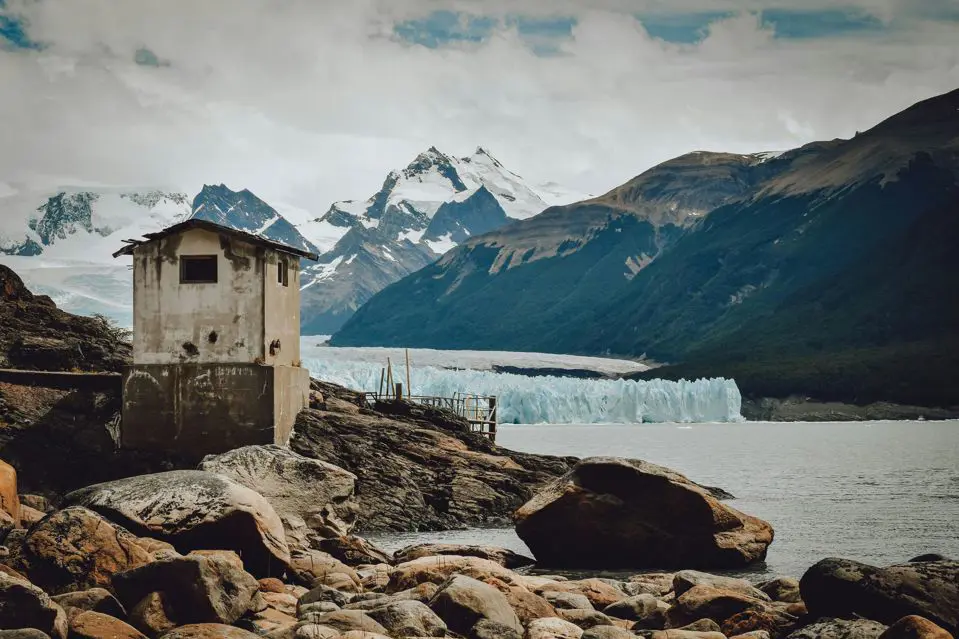
El Calafate is one of the most imposing gateways to Argentine Patagonia. Located on the shores of Lago Argentino and in the vicinity of Los Glaciares National Park, the city combines unique landscapes composed of glaciers, lakes, steppe, and mountains. However, its challenging weather conditions make the choice of date to visit and take excursions fundamental.
Those seeking to visit the Perito Moreno Glacier, hike the trails, navigate the lakes, or simply contemplate the magnitude of the landscape, should plan their trip between spring and summer. These are the seasons when nature shows itself in fullness, days are longer, and tourist activities function normally.
Between October and March, El Calafate goes through its most favorable season. In those months, the climate is milder, the roads are in good condition, and tourist services operate fully. Temperatures during the day range between 12°C and 22°C (54°F - 72°F), and daylight hours extend well into the night.
The difference with the rest of the year is significant. In autumn and winter, snowfalls can interrupt access to some roads, and many excursions are suspended or operate with limited frequency. In contrast, during spring and summer, everything is up and running: from boat tours on Lago Argentino to ice trekking on the glacier, 4x4 tours, cycling, and horseback riding across the steppe.
In addition to the climate, there is another factor that makes this time the best: the visual diversity of the landscape. In spring, the nearby valleys begin to cover themselves with flowers and green grass, making the environment visually more pleasant. Furthermore, the peaks still retain part of the winter snow, making the visual experience truly enchanting.
What to do in El Calafate in each season
During the summer, sunny days allow appreciating those colors clearly and touring the main attractions without the limitations of cold or intense wind. Walking along the catwalks facing the Perito Moreno, observing ice calvings, navigating to the Upsala and Spezgazzini glaciers, or visiting nearby estancias: everything is done with the pleasure of keeping warmth in the body.
Luminosity is also a point in favor. In December and January, the sun sets around 11 PM, which allows making the most of every day. It is possible to go on an excursion in the morning, return to town in the afternoon, and still have light to walk along the waterfront or visit a natural viewpoint.
In photographic terms, this is the ideal moment: the reflections of Lago Argentino are more intense, the glaciers shine under the sun, and the mountains of the Andean range are cut sharply against the clear sky. For those looking to take photos of Perito Moreno or Mount Fitz Roy from a distance, spring and summer offer the best lighting conditions.
Another advantage is the variety of wildlife that is possible to see. With the rise in temperature, migratory birds return, and guanacos are easier to observe in the surroundings of the park. In the Laguna Nimez Reserve, pink flamingos return to occupy the wetland, and black-faced ibises (bandurrias) fly over the area.
But there is no need to worry beforehand: although it is the season with the most tourist movement, the capacity of services and accommodations in El Calafate allows the flow of visitors to be distributed without large crowds. The city is prepared to receive travelers from all over the world, and that is noticeable in the gastronomic offer, organized excursions (with bilingual guides), and cultural proposals that accompany the warmer months.
In short, spring and summer concentrate everything that makes El Calafate special: pleasant temperatures, colorful landscapes, prolonged light, and a complete offer of activities. It is the time when the city and its surroundings can be enjoyed without restrictions, in direct contact with nature.
Published by Has Chacon on 08/06/2026